
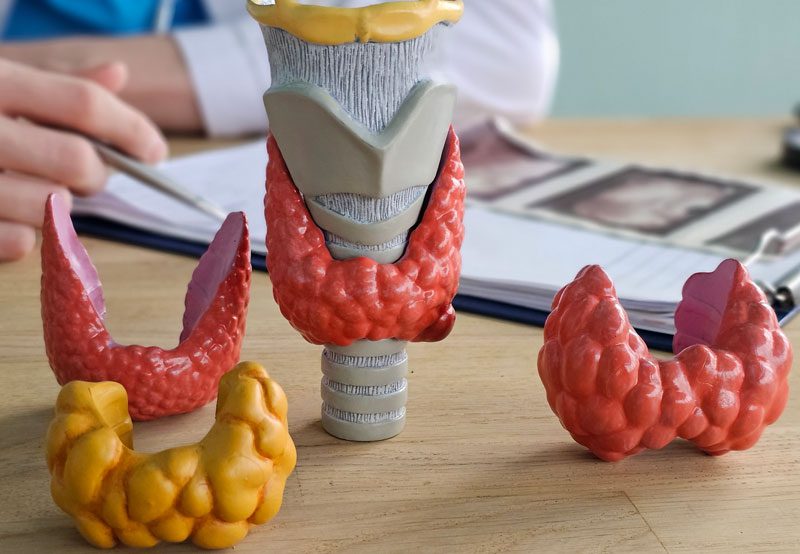
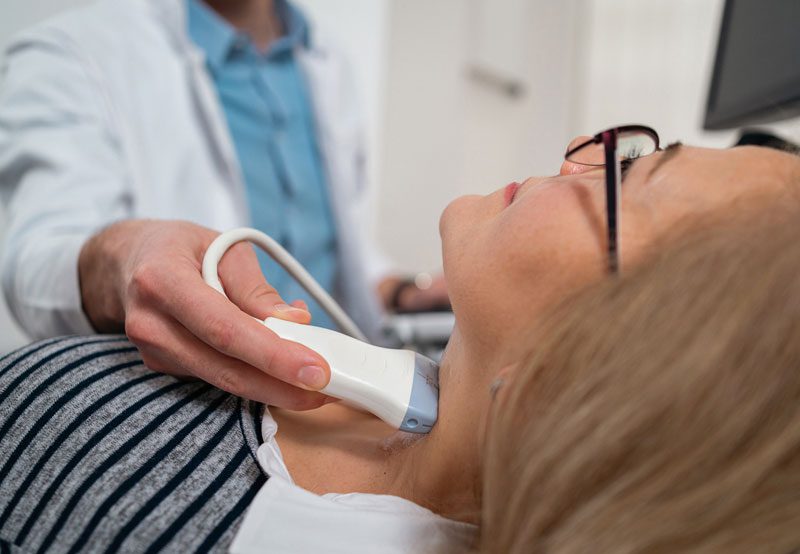
Thyroid and parathyroid surgery includes a group of specialized procedures performed to treat diseases of the thyroid and parathyroid glands, which play critical roles in regulating metabolism and calcium balance. These surgeries are most commonly indicated for thyroid nodules, thyroid cancer, hyperthyroidism, goiter, and hyperparathyroidism. Because the thyroid and parathyroid glands are located near vital structures such as the recurrent laryngeal nerves and the airway, surgical management requires precise technique and careful planning. The primary goals are complete disease treatment, preservation of voice and calcium regulation, and long-term functional stability.
What It Treats
Thyroid and parathyroid surgery is performed to address a range of benign and malignant endocrine conditions.
- Thyroid cancer: Including papillary, follicular, medullary, and anaplastic thyroid cancers
- Suspicious or symptomatic thyroid nodules: Nodules with concerning biopsy findings or compressive symptoms
- Goiter: Thyroid enlargement causing airway, swallowing, or cosmetic concerns
- Hyperthyroidism: Conditions such as Graves’ disease or toxic nodules when medical therapy is ineffective or contraindicated
- Primary hyperparathyroidism: Excess parathyroid hormone production, most often due to a benign adenoma
- Secondary or tertiary hyperparathyroidism: Parathyroid overactivity related to chronic kidney disease
Surgical indication depends on disease type, severity, and associated complications.
How the Procedure Works
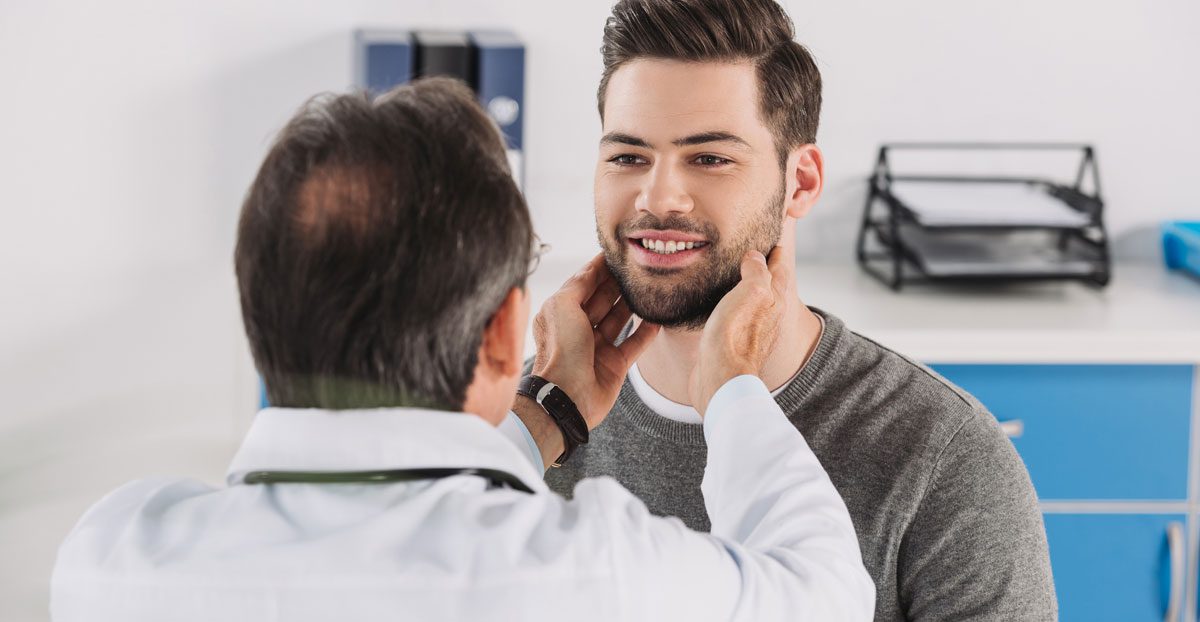
The surgical approach is individualized based on the underlying condition, gland involvement, and preoperative findings.
- Preoperative evaluation: Imaging, laboratory testing, and biopsy results guide surgical planning
- Thyroidectomy: Partial or total removal of the thyroid gland, depending on diagnosis and cancer risk
- Parathyroidectomy: Removal of one or more abnormal parathyroid glands, often using focused or minimally invasive techniques
- Nerve identification and monitoring: Intraoperative nerve monitoring is used to help protect the recurrent laryngeal nerves
- Preservation of normal glands: Remaining parathyroid tissue is carefully preserved to maintain calcium balance
- Neck exploration: Performed when disease localization is unclear or multiple glands are involved
Procedures are performed through carefully placed neck incisions designed to promote healing and minimize visible scarring.
Benefits of the Procedure
Thyroid and parathyroid surgery provides definitive treatment for many endocrine disorders.
- Disease resolution: High cure rates for hyperparathyroidism and localized thyroid disease
- Symptom improvement: Relief of compressive symptoms, hormonal imbalance, and related complications
- Accurate diagnosis: Complete pathologic evaluation of removed tissue
- Prevention of progression: Reduces risk of cancer spread, bone loss, kidney damage, or cardiovascular complications
- Long-term control: Allows effective management with hormone replacement or monitoring when needed
When performed by experienced surgeons, complication rates are low and outcomes are favorable.
What to Expect
Recovery depends on the extent of surgery and the condition being treated.
- Hospital stay: Often outpatient or overnight observation
- Voice changes: Temporary hoarseness may occur and typically improves over time
- Calcium monitoring: Blood calcium levels are closely monitored after surgery
- Thyroid hormone replacement: Required after total thyroidectomy and in select partial procedures
- Activity restrictions: Light activity is encouraged, with gradual return to normal routines
- Follow-up care: Ongoing monitoring with laboratory tests and imaging as appropriate
Most patients resume normal activities within one to two weeks.
Is It Right for You?
Thyroid and parathyroid surgery is considered when endocrine disease cannot be safely or effectively managed with observation or medical therapy alone. Candidacy depends on diagnosis, symptom severity, overall health, and long-term management goals. Evaluation by a head and neck endocrine surgeon allows for accurate diagnosis, individualized surgical planning, and coordinated postoperative care focused on preserving voice, calcium balance, and overall quality of life.