
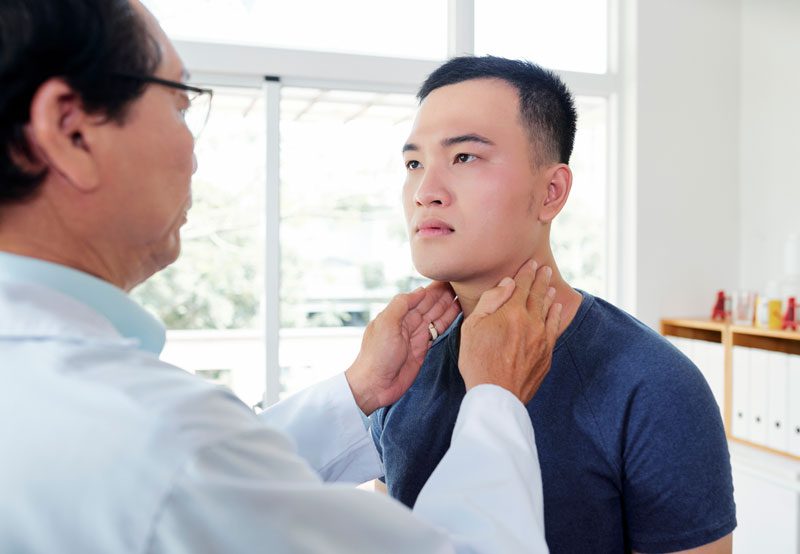
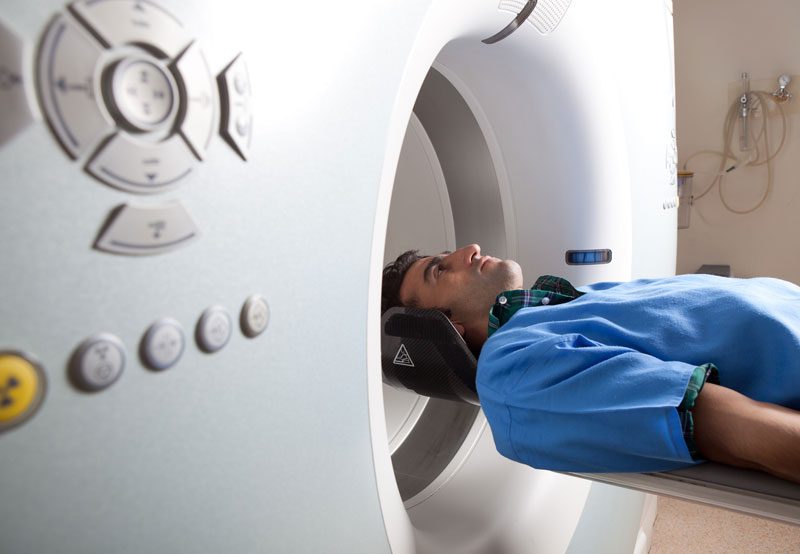
Facial nerve reanimation is a group of surgical procedures designed to restore facial symmetry, movement, and function in patients with facial nerve paralysis. When the facial nerve is damaged due to trauma, tumor removal, infection, or prolonged paralysis, the muscles of facial expression can lose tone and coordination. Facial nerve reanimation focuses on improving facial balance at rest and during movement, protecting eye function, and enhancing quality of life. Treatment is highly individualized and depends on the cause, duration, and severity of paralysis.
What It Treats
Facial nerve reanimation is used to address functional and aesthetic deficits resulting from facial nerve dysfunction.
- Acute or chronic facial nerve paralysis: Including paralysis following tumor resection, trauma, or infection
- Permanent facial nerve injury: When spontaneous recovery is unlikely
- Synkinesis or abnormal facial movement: Resulting from incomplete or misdirected nerve regeneration
- Eye exposure and eyelid dysfunction: Inability to close the eye fully, leading to dryness or corneal injury
- Facial asymmetry at rest or with expression: Drooping of the mouth, cheek, or brow
The goal is to restore balance, movement, and protection rather than replicate normal nerve function exactly.

How the Procedure Works
The surgical approach is tailored to the timing of paralysis and available nerve and muscle function. Procedures may be performed individually or in combination.
- Nerve-based procedures: Nerve grafting or nerve transfers connect a functioning nerve to the affected facial nerve to restore movement
- Muscle transfer: Transfer of a muscle, commonly from the thigh, to recreate a dynamic smile in long-standing paralysis
- Static suspension techniques: Use of sutures or grafts to support the face and improve symmetry at rest
- Eyelid procedures: Placement of eyelid weights or tightening procedures to protect the eye and improve closure
- Adjunctive procedures: Targeted treatments to improve brow position, lip competence, or nasal airflow
Timing is critical, as nerve-based procedures are most effective when performed before irreversible muscle atrophy occurs.
Benefits of the Procedure
Facial nerve reanimation provides both functional and quality-of-life benefits.
- Improved facial symmetry: At rest and during expression
- Restoration of voluntary movement: Such as smiling, blinking, or lip movement in selected cases
- Eye protection: Reduced risk of corneal injury and chronic irritation
- Improved speech and oral competence: Better lip control for speaking and eating
- Psychosocial benefits: Enhanced confidence and emotional expression
Outcomes vary based on nerve injury type, duration of paralysis, and chosen techniques.
What to Expect
Recovery and results depend on the specific procedures performed.
- Hospital stay: May be outpatient or involve short hospitalization depending on surgical complexity
- Gradual improvement: Nerve-based procedures can take months for movement to develop
- Physical therapy: Facial retraining therapy is often required to optimize outcomes
- Temporary swelling or stiffness: Common during early recovery
- Staged procedures: Additional surgeries may be recommended to refine symmetry or function
Long-term follow-up is essential to monitor progress and adjust treatment as needed.