

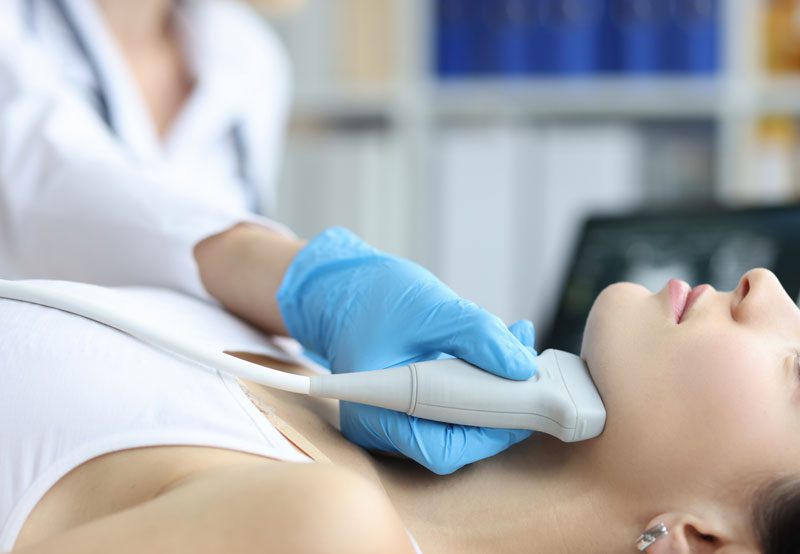
Salivary gland surgery encompasses a range of procedures performed to diagnose and treat disorders affecting the major and minor salivary glands. These glands include the parotid, submandibular, sublingual, and numerous minor salivary glands distributed throughout the mouth and upper aerodigestive tract. Surgery is most commonly indicated for salivary gland tumors but may also be required for chronic infection, obstruction, inflammatory disease, or trauma. The primary goals of salivary gland surgery are complete disease removal, preservation of critical nerves, and maintenance of facial movement, speech, and swallowing function.
What It Treats
Salivary gland surgery is used to manage both benign and malignant conditions involving salivary tissue.
- Benign salivary gland tumors: Including pleomorphic adenoma and Warthin tumor
- Malignant salivary gland tumors: Such as mucoepidermoid carcinoma, adenoid cystic carcinoma, and acinic cell carcinoma
- Chronic salivary gland infections: Recurrent or persistent sialadenitis not responsive to medical therapy
- Salivary duct obstruction: Stones or strictures causing pain and swelling
- Inflammatory or autoimmune disease: Including select cases of chronic gland enlargement
- Trauma or structural abnormalities: Affecting salivary gland tissue
Surgical indication and extent depend on gland involved, pathology, and disease severity.

How the Procedure Works
The surgical approach is tailored to the affected gland and underlying condition, with careful attention to nearby nerves and vessels.
- Preoperative evaluation: Imaging and biopsy are used to define pathology and surgical planning
- Parotid gland surgery: Partial or total parotidectomy performed with meticulous identification and preservation of the facial nerve
- Submandibular gland excision: Removal of the gland through a neck incision, with protection of the lingual and hypoglossal nerves
- Sublingual gland surgery: Performed for tumors or ranulas, often through an intraoral approach
- Minor salivary gland excision: Targeted removal of affected tissue within the mouth or throat
- Neck dissection: May be performed concurrently when malignant disease involves lymph nodes
Surgical technique is selected to achieve disease control while minimizing functional risk.
Benefits of the Procedure
Salivary gland surgery offers definitive treatment for many salivary disorders.
- Complete removal of disease: High cure rates for benign tumors and localized malignancies
- Accurate diagnosis: Full pathologic evaluation of the gland and surrounding tissue
- Symptom relief: Reduction of pain, swelling, and recurrent infection
- Preservation of nerve function: Specialized techniques minimize risk to facial and tongue movement
- Foundation for additional therapy: Enables appropriate use of radiation or systemic treatment when indicated
Outcomes depend on tumor type, extent of disease, and surgical complexity.
What to Expect
Recovery varies based on the gland involved and extent of surgery.
- Hospital stay: May be outpatient or require short hospitalization
- Temporary swelling or numbness: Common in the early postoperative period
- Drain placement: Often used after parotid or submandibular surgery to prevent fluid accumulation
- Facial nerve monitoring: Transient weakness may occur, particularly after parotid surgery
- Pathology review: Final results guide the need for additional treatment
- Gradual recovery: Most patients resume normal activities within several weeks
Close follow-up is important to monitor healing and nerve function.
Is It Right for You?
Salivary gland surgery is considered when salivary gland disease cannot be effectively managed with observation or medical therapy alone. Candidacy depends on the type of pathology, symptoms, overall health, and functional priorities. Evaluation by an experienced head and neck surgeon ensures accurate diagnosis, appropriate surgical planning, and coordinated care aimed at achieving optimal functional and oncologic outcomes.