


Advanced open oncologic resection is a surgical approach used to remove complex or locally advanced cancers of the head and neck when minimally invasive techniques are not appropriate or sufficient. These procedures are designed to achieve complete tumor removal with clear margins while addressing involvement of critical structures such as bone, major blood vessels, nerves, and the airway. Advanced open resections are often required for aggressive tumors, recurrent disease, or cancers with extensive local spread. Careful surgical planning and coordination with a multidisciplinary team are essential to balance cancer control with preservation or restoration of function.
What It Treats
Advanced open oncologic resection is used for a range of head and neck malignancies that cannot be safely or effectively managed with endoscopic or transoral approaches.
- Locally advanced head and neck cancers: Including tumors of the oral cavity, oropharynx, hypopharynx, larynx, and sinonasal region
- Cancers with bone involvement: Such as invasion of the mandible, maxilla, skull base, or facial bones
- Tumors involving major soft tissue structures: Including the tongue, floor of mouth, pharynx, or neck musculature
- Recurrent cancers: Particularly those previously treated with radiation or surgery
- Cancers encasing or abutting critical anatomy: Such as major vessels or cranial nerves
These procedures are often combined with lymph node removal in the neck to address regional disease.
How the Procedure Works
Advanced open oncologic resection involves direct surgical access to the tumor through carefully planned external incisions. The approach is tailored to tumor location, extent, and surrounding anatomy.
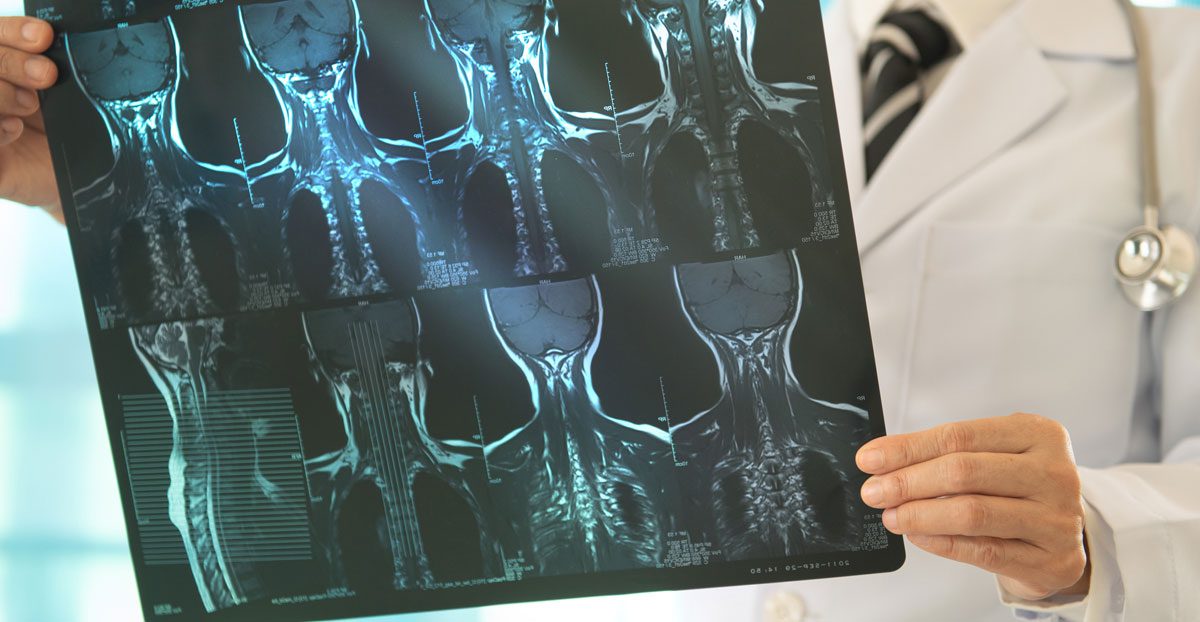
- Preoperative planning: Detailed imaging and multidisciplinary review are used to map tumor boundaries and surgical margins
- Tumor resection: The cancer is removed en bloc with a margin of healthy tissue to reduce recurrence risk
- Management of involved structures: Bone, muscle, skin, or nerve tissue may be partially removed if directly invaded
- Neck dissection: Removal of lymph nodes may be performed concurrently when cancer has spread or is at high risk for spread
- Immediate reconstruction: Reconstructive surgery is often performed during the same operation to restore form and function
Reconstruction may involve local tissue rearrangement or microvascular free tissue transfer, depending on the size and complexity of the defect.
Benefits of the Procedure
Advanced open oncologic resection offers important advantages in select cancer cases.
- Maximal tumor control: Allows direct visualization and complete removal of complex tumors
- Clear margin assessment: Improves the likelihood of achieving negative surgical margins
- Treatment of advanced disease: Enables management of cancers not amenable to minimally invasive surgery
- Single-stage treatment: Resection and reconstruction are often completed in one operation
- Foundation for additional therapy: Provides definitive local control before radiation or chemoradiation when indicated
For appropriately selected patients, this approach offers the best chance for durable cancer control.
What to Expect
These procedures are major operations and require careful perioperative management.
- Hospital stay: Patients typically remain hospitalized for several days to monitor healing, airway status, and nutrition
- Temporary support: Feeding tubes or tracheostomy may be required during early recovery, depending on tumor location
- Rehabilitation: Speech and swallowing therapy are commonly needed after surgery
- Adjuvant treatment: Radiation therapy or chemoradiation may be recommended based on final pathology
- Recovery timeline: Functional recovery continues over weeks to months, with gradual improvement in speech, swallowing, and strength
Close follow-up is essential to monitor healing, manage complications, and assess for recurrence.
Is It Right for You?
Advanced open oncologic resection is considered when less invasive options cannot achieve safe or complete tumor removal. Candidacy depends on tumor characteristics, overall health, prior treatments, and functional goals. Evaluation by an experienced head and neck surgical team allows for individualized treatment planning, coordination of reconstruction and rehabilitation, and informed decision-making regarding risks, benefits, and expected outcomes.