
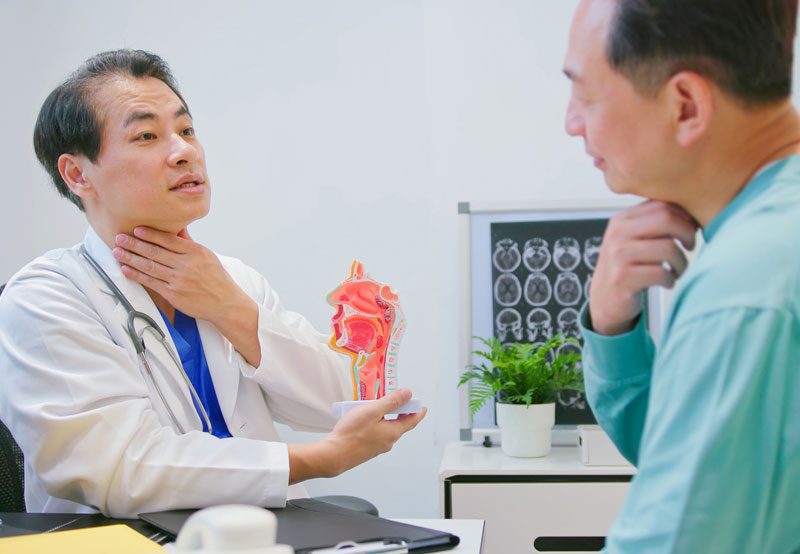
Airway surgery and reconstruction encompasses a range of specialized surgical procedures designed to restore, preserve, or improve airflow through the upper airway. These procedures are performed to address structural narrowing, collapse, scarring, tumors, or trauma affecting the larynx, trachea, or surrounding airway structures. Because the airway is essential for breathing, voice production, and swallowing coordination, airway surgery requires meticulous planning and execution to balance airway patency with functional outcomes. Management is often complex and tailored to the underlying cause, severity of obstruction, and patient-specific needs.
What It Treats
Airway surgery and reconstruction is used to manage both benign and malignant conditions that compromise normal breathing.
- Subglottic or tracheal stenosis: Narrowing caused by scarring, prolonged intubation, or inflammatory conditions
- Laryngeal stenosis or web formation: Congenital or acquired narrowing of the vocal cord or laryngeal framework
- Airway tumors: Benign or malignant growths obstructing the larynx or trachea
- Traumatic airway injury: Damage from blunt trauma, penetrating injury, or prior surgery
- Vocal cord immobility: When impaired motion leads to airway compromise
- Tracheostomy dependence: In patients who may benefit from airway reconstruction to restore normal breathing
The goal is to create a stable, functional airway while preserving voice and swallowing whenever possible.
How the Procedure Works
The surgical approach depends on the location and severity of airway disease and may involve endoscopic, open, or combined techniques.
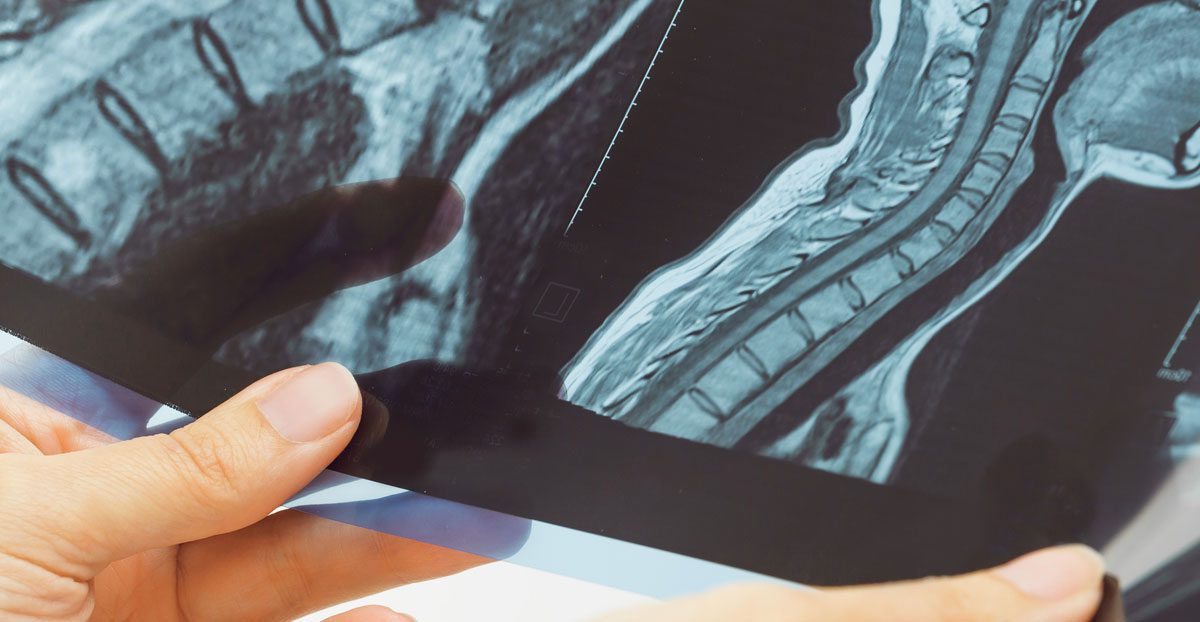
- Preoperative evaluation: Includes endoscopy, imaging, and functional assessment of breathing, voice, and swallowing
- Resection of diseased tissue: Scarred, narrowed, or obstructive segments are carefully removed
- Airway reconstruction: Healthy airway segments are reconnected or expanded using cartilage grafts, tissue rearrangement, or framework modification
- Laryngeal framework surgery: May be performed to reposition or stabilize airway structures
- Temporary airway support: A tracheostomy or stent may be placed to protect the airway during healing
Procedures are customized to minimize recurrence of narrowing and support long-term airway stability.
Benefits of the Procedure
Airway surgery and reconstruction offers meaningful functional improvement for appropriately selected patients.
- Improved breathing: Restores adequate airflow and reduces respiratory distress
- Potential tracheostomy removal: Allows some patients to breathe normally without a permanent tube
- Enhanced quality of life: Improves exercise tolerance, sleep, and daily activities
- Preservation of voice and swallowing: Surgical planning prioritizes functional outcomes alongside airway patency
- Durable results: Reconstruction aims for long-term stability rather than temporary relief
Outcomes depend on underlying pathology, prior treatments, and adherence to postoperative care.
What to Expect
Recovery varies based on the extent of surgery and airway involvement.
- Hospital stay: Often required for close airway monitoring during early healing
- Temporary voice changes: Hoarseness or weak voice may occur and often improves over time
- Swallowing support: Modified diets or therapy may be needed during recovery
- Airway precautions: Activity restrictions and careful follow-up are essential to prevent complications
- Rehabilitation: Speech and swallowing therapy may be part of postoperative care
Healing and functional recovery typically progress over weeks to months.
Is It Right for You?
Airway surgery and reconstruction is considered for patients with symptomatic airway narrowing or obstruction that cannot be managed with medical therapy alone. Candidacy depends on the cause and location of airway disease, overall health status, and functional goals. Evaluation by a specialized airway and head and neck surgical team allows for comprehensive assessment, individualized surgical planning, and coordinated postoperative rehabilitation to optimize both airway function and quality of life.