
Thyroid nodules are discrete growths or lumps that develop within the thyroid gland, a butterfly-shaped endocrine organ located at the front of the neck. They are common in adults and are often discovered incidentally during imaging or routine physical examination. Most thyroid nodules are benign and do not affect thyroid hormone function, but a small percentage represent thyroid cancer. Careful evaluation is essential to determine the nature of a nodule and to guide appropriate monitoring or treatment.
Causes
Thyroid nodules can form for a variety of reasons, and in many cases the exact cause is not identified.
- Benign thyroid growths: Including colloid nodules and follicular adenomas
- Thyroid cysts: Fluid-filled nodules that may develop from degenerating solid nodules
- Inflammatory thyroid disease: Conditions such as Hashimoto’s thyroiditis can be associated with nodule formation
- Iodine imbalance: Deficiency or excess iodine may contribute to thyroid enlargement and nodularity
- Genetic factors: Family history of thyroid nodules or thyroid cancer increases risk
- Thyroid cancer: A minority of nodules represent malignant disease
Most nodules are noncancerous, but distinguishing benign from malignant nodules is a critical part of evaluation.

Symptoms
Many thyroid nodules cause no symptoms and are detected incidentally. When symptoms occur, they are usually related to size, location, or hormone production.
- A palpable lump or swelling in the neck
- Sensation of pressure or fullness in the neck
- Difficulty swallowing or breathing (typically with larger nodules)
- Hoarseness or voice changes (may indicate nerve involvement)
- Symptoms of hyperthyroidism (such as palpitations, weight loss, or tremor if the nodule produces excess hormone)
- Neck discomfort or pain (uncommon, but possible with rapid growth or bleeding into a cyst)
Rapid enlargement or associated voice changes warrant prompt evaluation.
Diagnosis
Diagnosis focuses on assessing the risk of malignancy and the functional status of the thyroid gland.
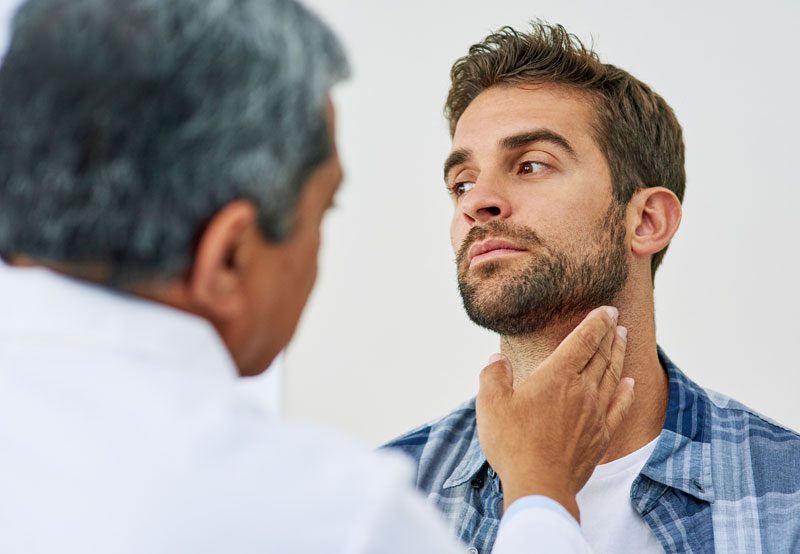
- Physical examination: Evaluation of thyroid size, nodule firmness, and cervical lymph nodes
- Thyroid function tests: Measurement of thyroid-stimulating hormone and thyroid hormone levels
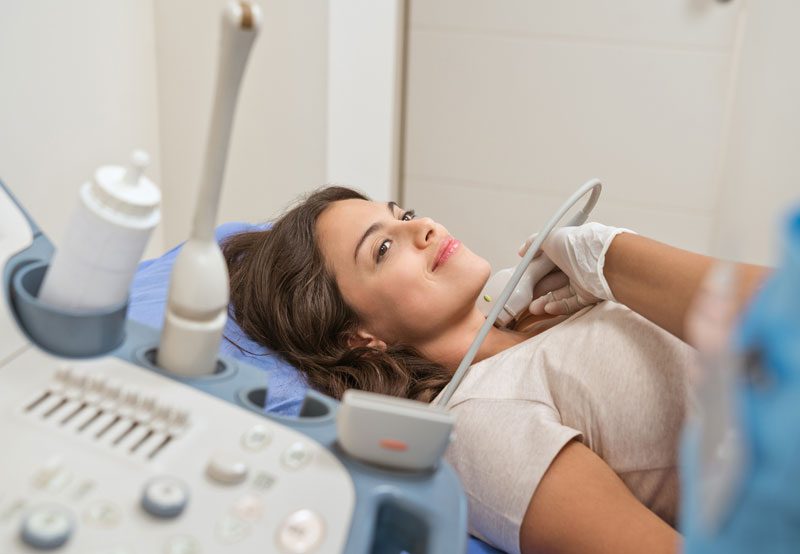
- Ultrasound imaging: Primary tool to characterize nodule size, composition, and suspicious features
- Fine-needle aspiration biopsy: Performed for nodules with concerning ultrasound characteristics or size criteria
- Molecular testing: Used in select cases when biopsy results are indeterminate
- Radioactive iodine uptake scan: Used when hyperthyroidism is present to determine if a nodule is overactive
Ultrasound and biopsy findings guide risk stratification and management decisions.
Treatment Options
Management depends on biopsy results, nodule size, growth pattern, and associated symptoms.
- Observation: Periodic ultrasound monitoring for benign, asymptomatic nodules
- Medical management: Treatment of underlying thyroid hormone imbalance when present
- Radioactive iodine therapy: Used for hyperfunctioning nodules in select patients
- Surgical removal: Recommended for nodules that are malignant, suspicious, rapidly growing, or causing compressive symptoms
- Minimally invasive procedures: Considered in select benign nodules to reduce size and symptoms
Surgical treatment may involve removal of one thyroid lobe or the entire gland, depending on diagnosis and risk factors.
When to See a Specialist
Evaluation by a specialist is recommended for any newly discovered thyroid nodule, especially if it is enlarging, firm, associated with voice changes, or accompanied by abnormal biopsy results. Early assessment supports accurate diagnosis, appropriate monitoring, and timely intervention when needed, helping to prevent complications and ensure optimal long-term outcomes.